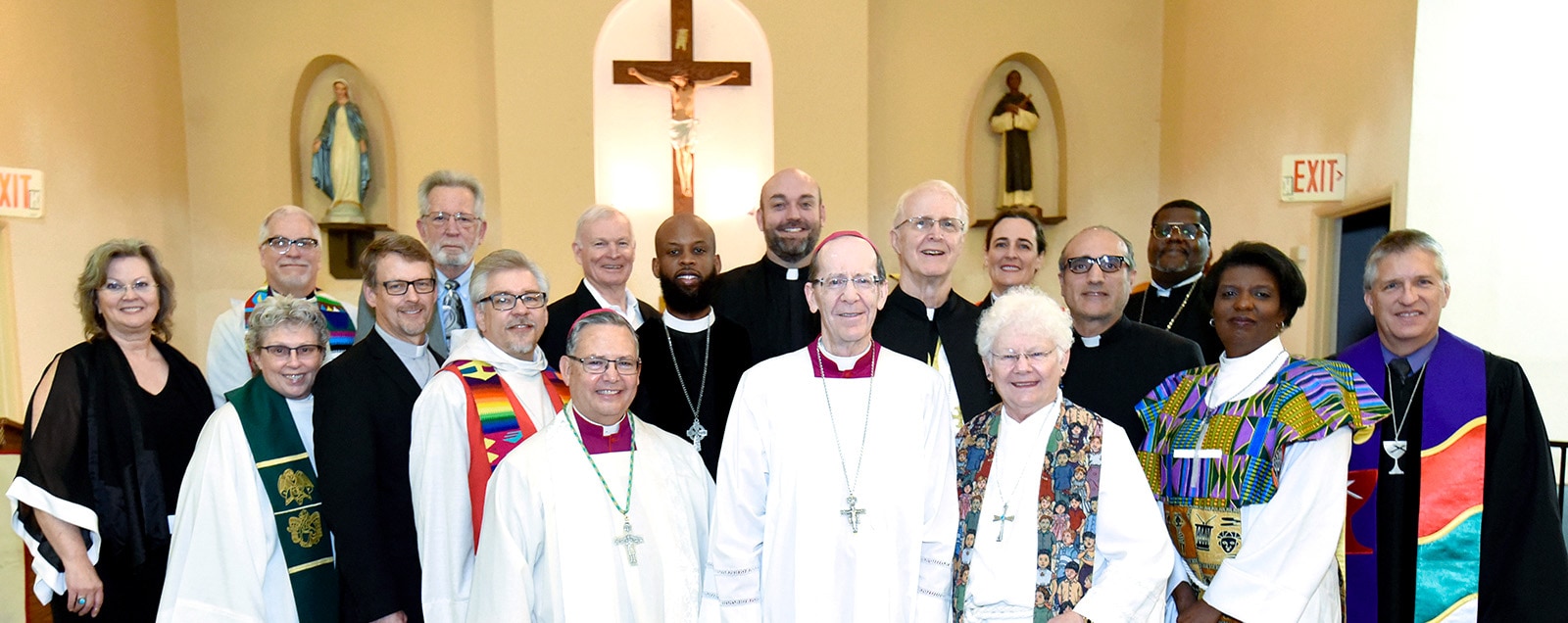
The term “ecumenism” is used primarily to refer to movements intended to achieve greater cooperation and unity among Christian churches. It is normally applied to or by Christian churches and denominations divided by practice or doctrine. The initiatives reflect the concept that there is only one Christian church. Supporters of this movement often describe their ideal institution as a “Universal Church”.
Ecumenism should not be confused with interfaith initiatives, which are intended to foster better relations between different faiths. The interfaith initiatives are aimed at encouraging mutual toleration, cooperation, and respect between different religions; it does not have the goal of uniting all followers into a single group. In simpler terms, interfaith missions seek to achieve respect for, and the cooperation of, all organized religions, including Judaism, Islam, Hinduism, and others, while the ecumenical movement is concerned with reconciling differences between Christian factions.
The Catholic Church, from its earliest days, has viewed its highest duty to be a complete union of Christians while rejecting aspects that violate the teachings of tradition and scripture. Prior to the Second Vatican Council, the primary emphasis was on maintaining tradition and obeying the scriptures.
The Canons prohibited Catholics from participating in any manner at religious functions that were not Catholic. If the reason for attendance was serious, approval could be obtained for Catholics to appear at weddings, funerals, or other functions if it could be done without fear of scandal or perversion. The current position is fractionally more lax.
The unity of Christians, according to Catholic theologians, can only be obtained by standing firm in the teachings of the scripture. Protestant ecumenism is typically considered to have begun with the Edinburgh Missionary Conference of 1910. Fueled by such organizations as the Young Men’s Christian Association, the World Student Christian Federation, and the Federal Council of Churches (the forerunner to the National Council of Churches USA) the conference was the largest interdenominational gathering of Protestants aimed at securing commitments to work across sectarian lines to benefit world missions.
Further organizations were formed during the middle of the twentieth century, such as the World Council of Churches and the National Council of Churches. As a rule, these are theologically liberal to moderate, reflecting the fact that Protestants are typically less traditional and more liberal than the Roman Catholic, Orthodox, and Anglican churches.
Ecumenism has also been met with backlash within the Protestant church, however. For example, when the Episcopal Church ordained as bishop an admitted homosexual and advocate of same-sex marriages, the Russian Orthodox Church suspended cooperation with it. The Russian Patriarchate also eliminated all relations with the Church of Sweden when that institution chose to give its blessing to same-sex marriages.
Such divisions between traditional and liberal beliefs are foreseen by some to be the abyss that cannot be crossed, dooming the ecumenical movement.
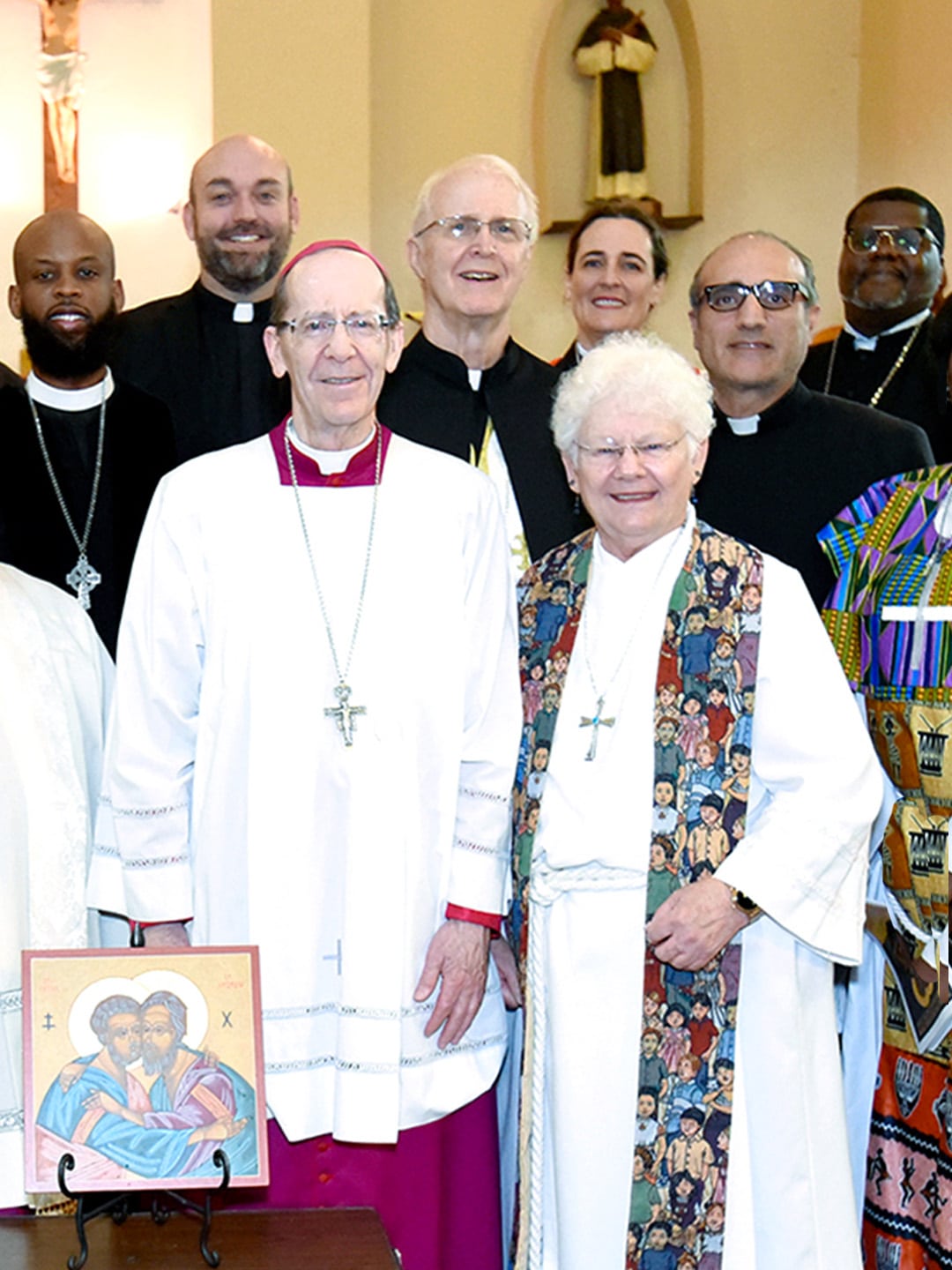
The term “ecumenism” is used primarily to refer to movements intended to achieve greater cooperation and unity among Christian churches. It is normally applied to or by Christian churches and denominations divided by practice or doctrine. The initiatives reflect the concept that there is only one Christian church. Supporters of this movement often describe their ideal institution as a “Universal Church”.
Ecumenism should not be confused with interfaith initiatives, which are intended to foster better relations between different faiths. The interfaith initiatives are aimed at encouraging mutual toleration, cooperation, and respect between different religions; it does not have the goal of uniting all followers into a single group. In simpler terms, interfaith missions seek to achieve respect for, and the cooperation of, all organized religions, including Judaism, Islam, Hinduism, and others, while the ecumenical movement is concerned with reconciling differences between Christian factions.
The Catholic Church, from its earliest days, has viewed its highest duty to be a complete union of Christians while rejecting aspects that violate the teachings of tradition and scripture. Prior to the Second Vatican Council, the primary emphasis was on maintaining tradition and obeying the scriptures. The Canons prohibited Catholics from participating in any manner at religious functions that were not Catholic. If the reason for attendance was serious, approval could be obtained for Catholics to appear at weddings, funerals, or other functions if it could be done without fear of scandal or perversion. The current position is fractionally more lax. The unity of Christians, according to Catholic theologians, can only be obtained by standing firm in the teachings of the scripture. Protestant ecumenism is typically considered to have begun with the Edinburgh Missionary Conference of 1910. Fueled by such organizations as the Young Men’s Christian Association, the World Student Christian Federation, and the Federal Council of Churches (the forerunner to the National Council of Churches USA) the conference was the largest interdenominational gathering of Protestants aimed at securing commitments to work across sectarian lines to benefit world missions. Further organizations were formed during the middle of the twentieth century, such as the World Council of Churches and the National Council of Churches. As a rule, these are theologically liberal to moderate, reflecting the fact that Protestants are typically less traditional and more liberal than the Roman Catholic, Orthodox, and Anglican churches.
Ecumenism has also been met with backlash within the Protestant church, however. For example, when the Episcopal Church ordained as bishop an admitted homosexual and advocate of same-sex marriages, the Russian Orthodox Church suspended cooperation with it. The Russian Patriarchate also eliminated all relations with the Church of Sweden when that institution chose to give its blessing to same-sex marriages. Such divisions between traditional and liberal beliefs are foreseen by some to be the abyss that cannot be crossed, dooming the ecumenical movement.